
Session 00: AI Landscape & Fundamentals
Date: August 1, 2025
Duration: 2 hours
Presenters: Damien Li, Eden Ye
📋 Overview
This inaugural Crossroad AI session provided a comprehensive overview of the current AI landscape, covering major industry reports, breakthrough developments, and fundamental AI concepts. The session featured two main segments: Damien Li's deep dive into AI industry trends and ecosystem architecture, followed by Eden Ye's introduction to basic AI concepts.
Session Recording: View Recording
🎯 Key Topics Covered
1. Report & Activity Review
Agentic AI - The New Frontier in GenAI (H1 2025)
📑 Download Report: Agentic AI Executive Playbook
📑 Download Report: AI Adoption Survey H1 2025
Key Insights:
- Agentic AI represents the evolution from passive AI tools to autonomous AI systems
- Enterprise adoption accelerating in H1 2025
- Focus on practical implementation strategies
China's "AI+" Action Plan
The State Council of China, chaired by Premier Li Qiang on July 31st, passed "Opinions on Deepening the Implementation of the 'Artificial Intelligence +' Action."
Reference: Official Announcement
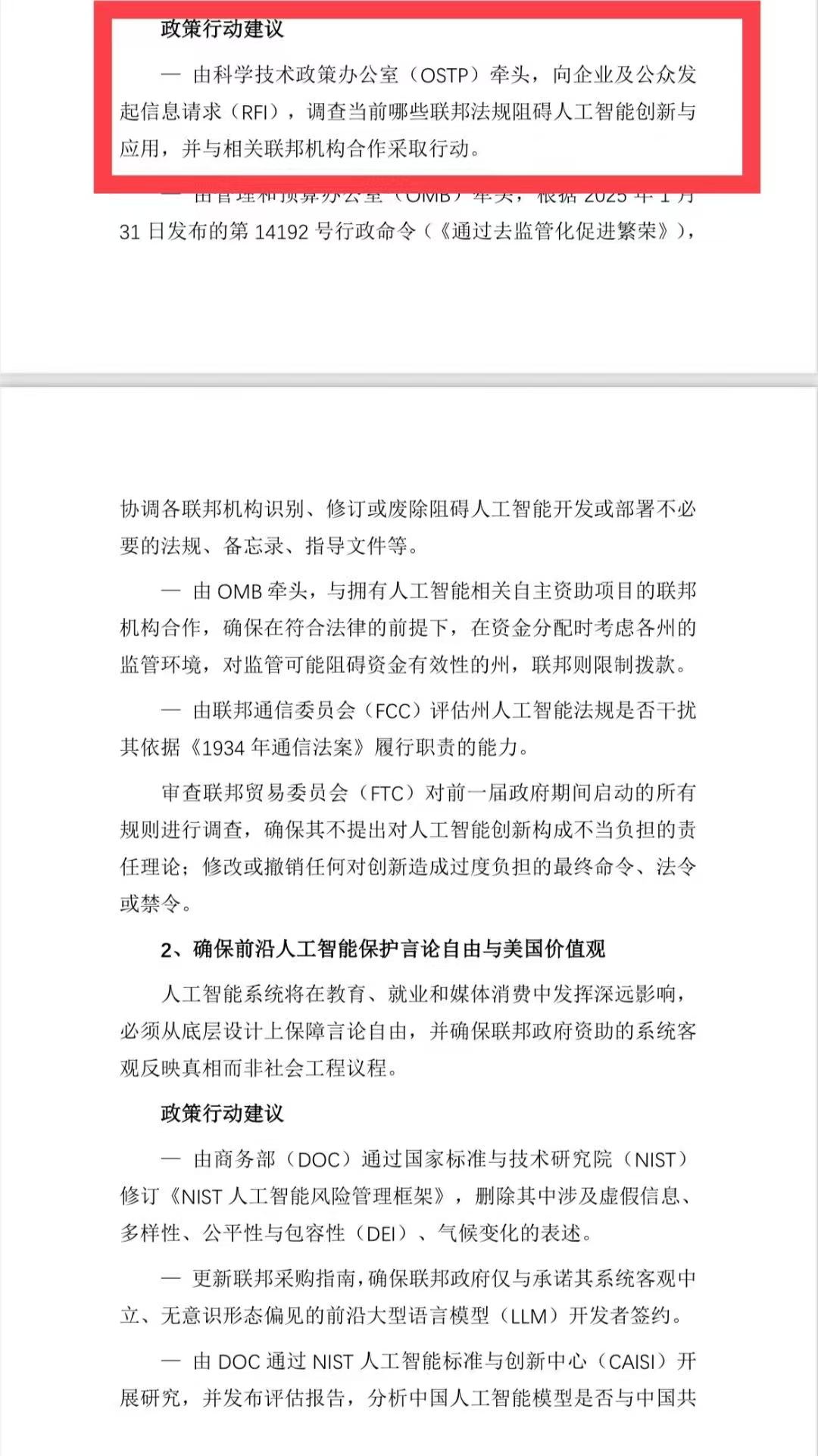
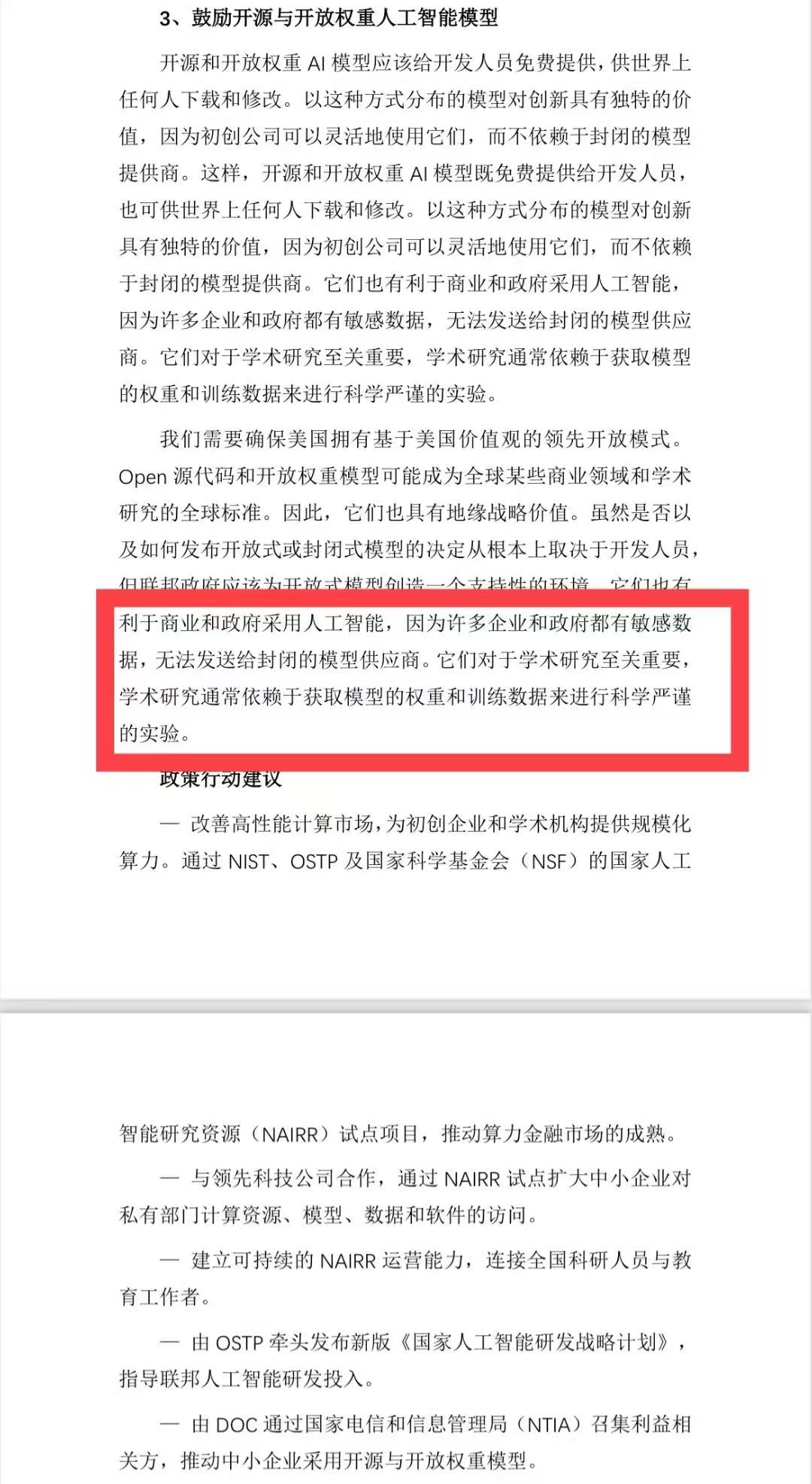
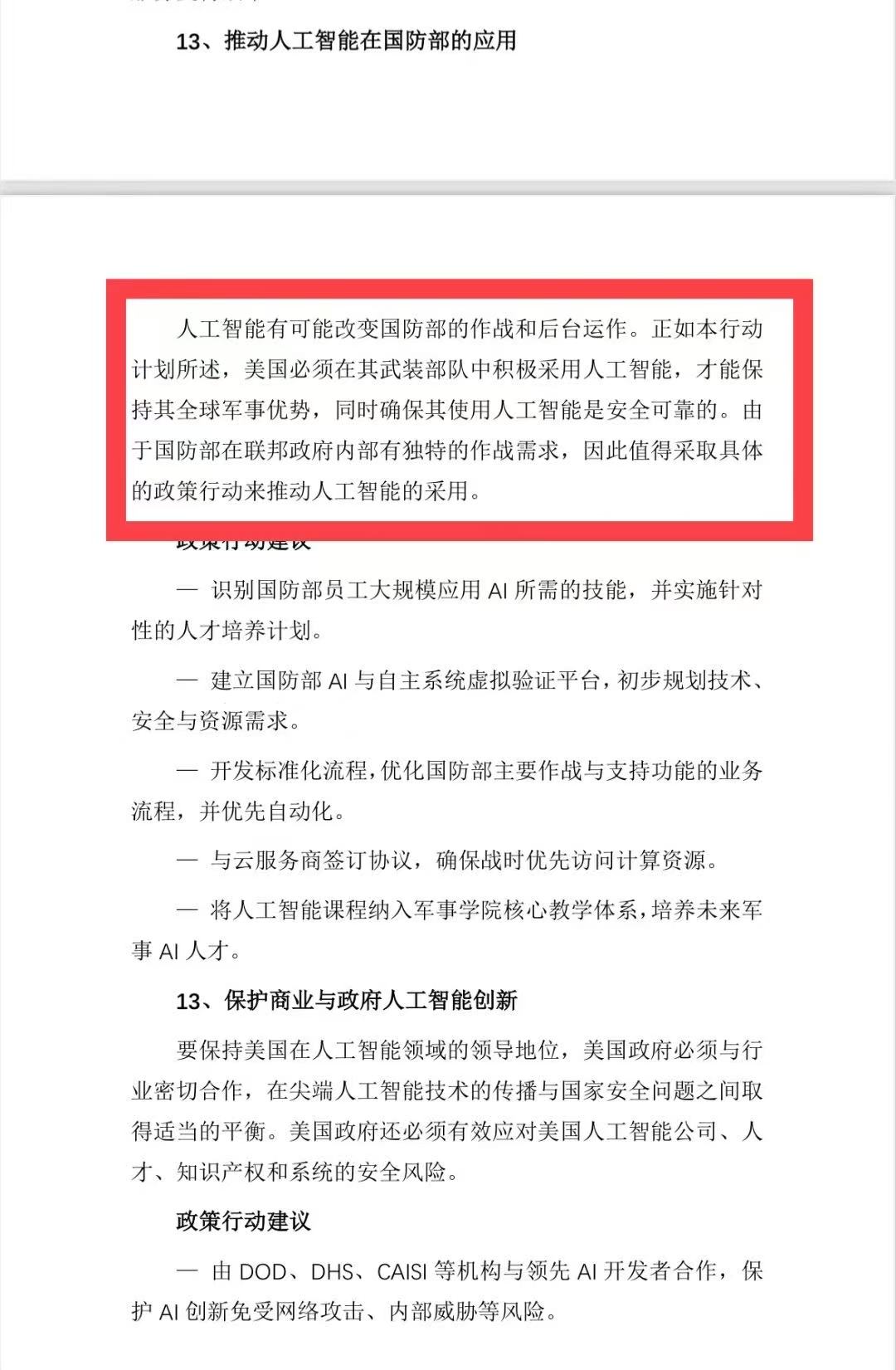
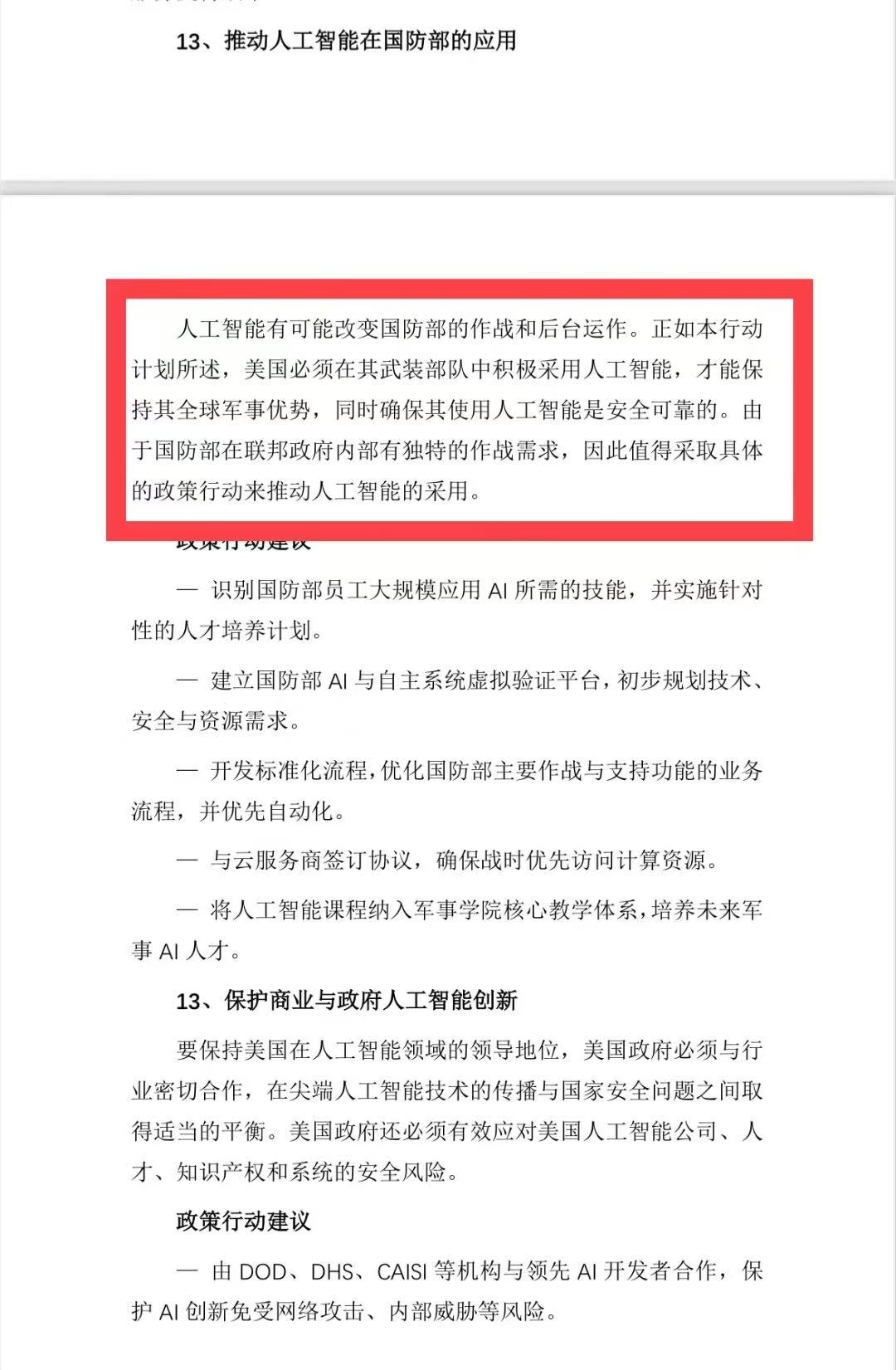
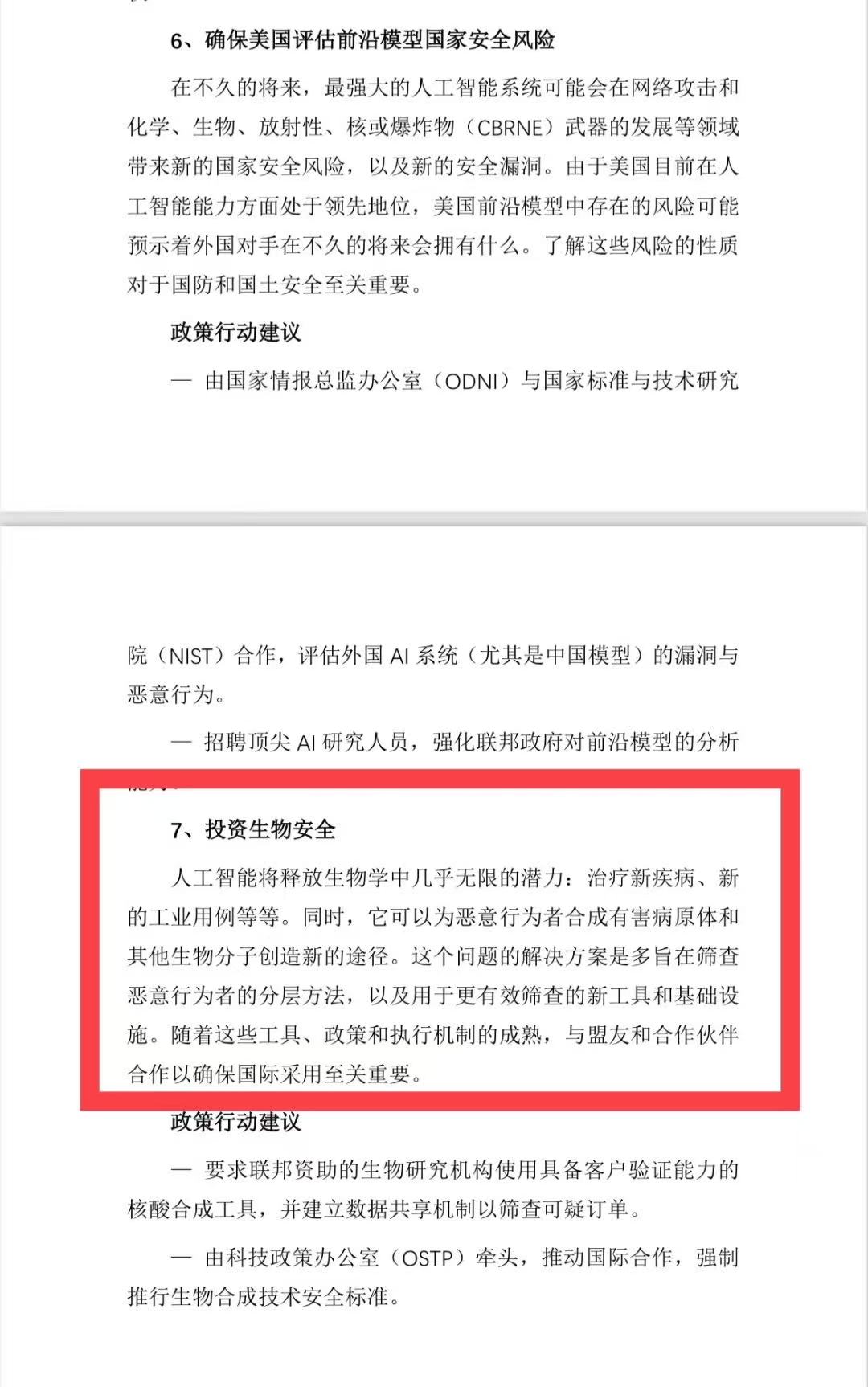
Americas AI Action Plan
📑 Download Report: Americas AI Action Plan
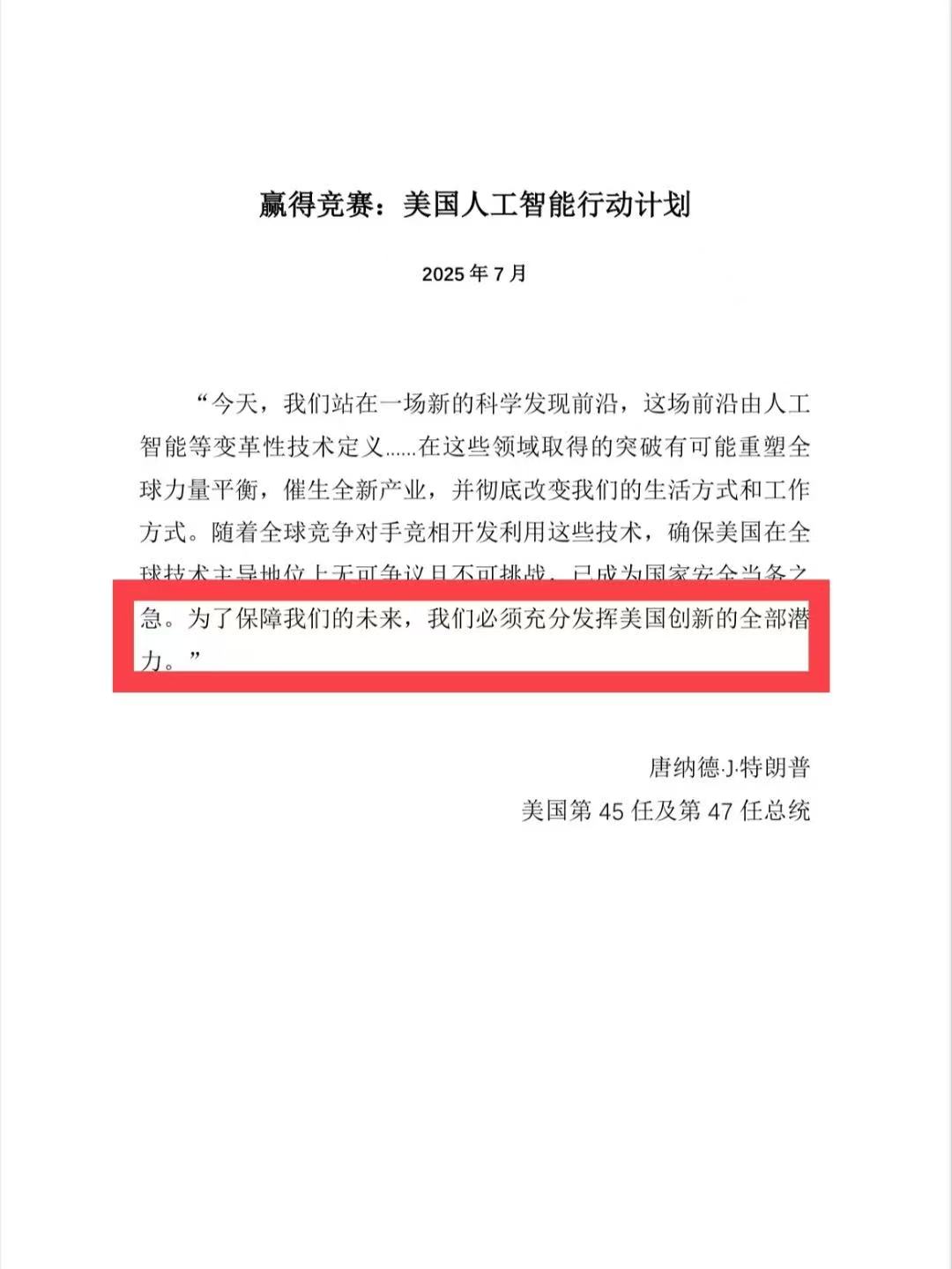
Strategic Highlights:

2. WAIC 2025 Highlights - Part 1
Geoffrey Hinton's Keynote: The "AI Godfather" Speaks
Article Reference: Insights from Hinton's WAIC Speech
Key Takeaways:
- Knowledge Transfer Speed Has Fundamentally Changed
- The core of innovation may no longer be "what to think of," but "what to choose" and "what to persist in"
- Making decisions based on intuition and experience is often more important than waiting for perfect data
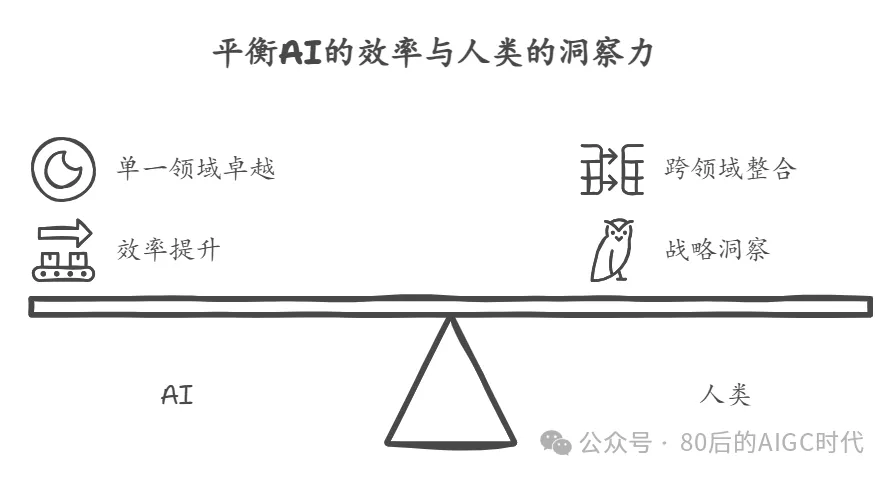
Cultivating "Value Judgment" is More Important Than "Skill Proficiency"
Building Cross-Domain Knowledge Structures
3. Former Google CEO Eric Schmidt Interview - Part 1
Topic: Digital Superintelligence Coming Within a Decade Will Reshape Human Civilization
Watch Full Interview: YouTube Link
Read Analysis: Detailed Interview Translation
Key Predictions:
- 2025: AI will learn to autonomously construct knowledge frameworks
- Within 10 Years: Digital superintelligence will enable everyone to have "Einstein in their pocket"
- Energy Bottleneck: The US AI revolution requires an additional 92 gigawatts of power (equivalent to 92 nuclear power plants); energy, not chips, is the real development bottleneck
- Reasoning-Time Compute: Allowing the same AI "brain" to think longer produces significantly better results, fundamentally changing competitive dynamics
- Learning Loop Speed: In the AI era, learning loop speed determines corporate survival; competitors with just a few months' lag will completely fail
- Open Model Proliferation: Open model weights can be replicated and run on 4-8 GPUs, enabling technology diffusion so even phones can have data center-level intelligence
- 100,000 Enterprise Software Middleware Companies at Risk: AI direct database connections make middleware connections redundant
- AI Specialists Timeline:
- Within 1 year: World-class AI mathematicians
- Within 2 years: World-class AI programmers
- Junior programmers will be the first to disappear
- Attention Economy: Humans are losing deep reading ability, but 6-hour Gemini conversations show AI may help regain focus
4. Open Source & Architecture
Context Engineering
GitHub Repository: Context Engineering
A new paradigm for optimizing AI interactions through structured context management.
Agentic AI: Understanding the 8-Layer Architecture
Reference Article: Visual Guide to Agentic AI's 8-Layer Architecture
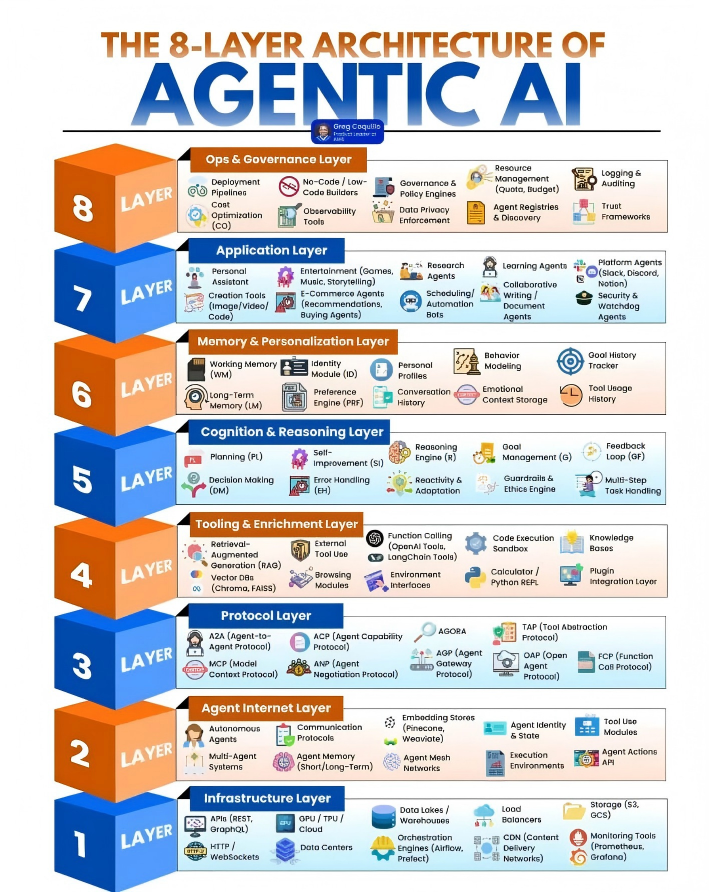
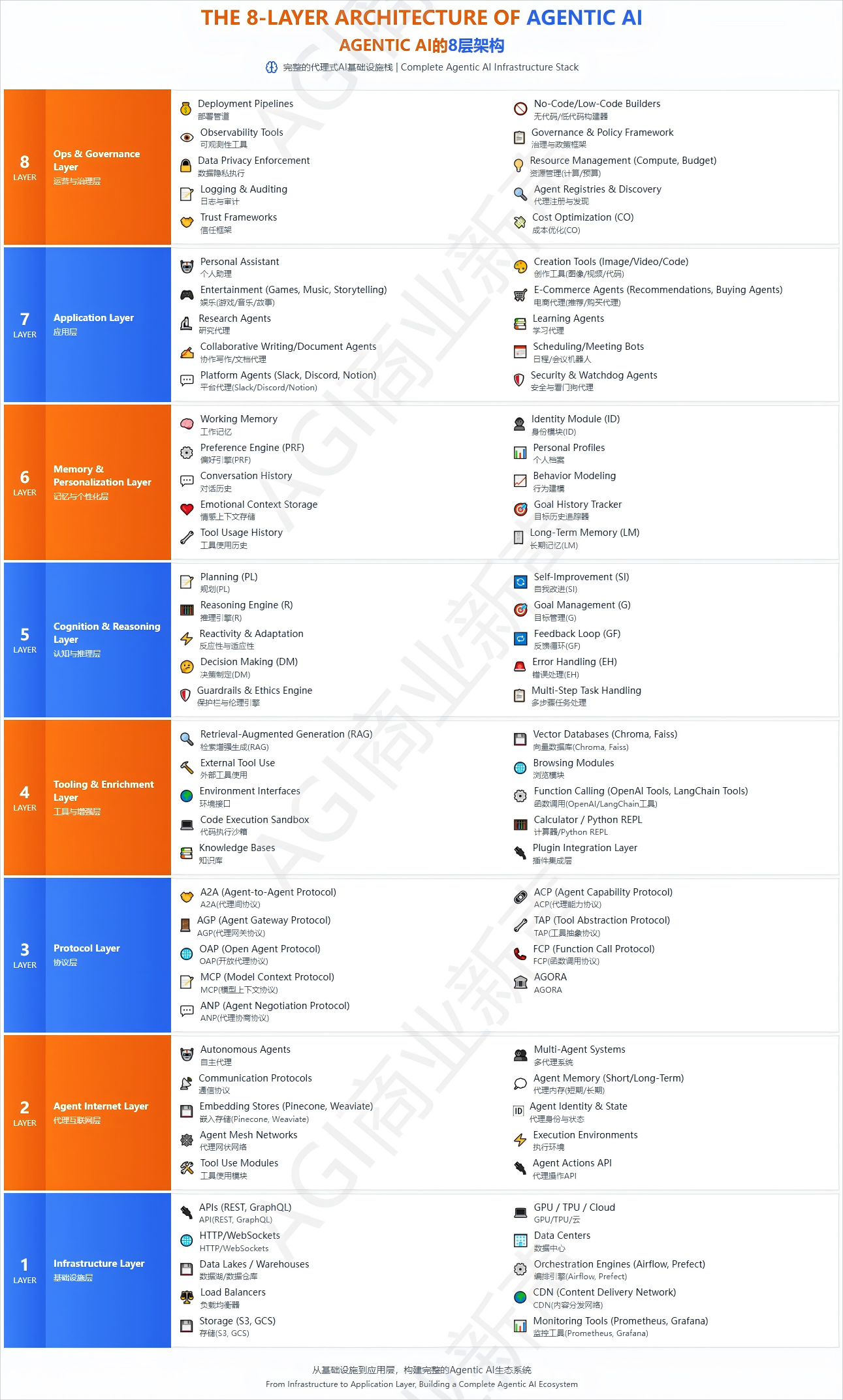
The 8 Layers Explained:
Infrastructure Layer: Provides computing resources (GPU, CPU), network connectivity, storage systems, and cloud-edge computing integration—the foundation of all agentic AI systems
Agent Internet Layer: Enables interconnection between AI systems, supporting agent discovery, registration, standardized communication protocols, distributed coordination, and trust/reputation systems
Protocol Layer: Standardizes communication between agents and interaction with external systems, including communication protocols, service discovery & integration, security & authentication, and contract & negotiation systems
Tools and Enrichment Layer: Enables agents to invoke external tools and services, extending their capabilities through function calling, API integration, code generation & execution, external tool integration, and knowledge base access
Cognition & Reasoning Layer: The "thinking engine" of agentic AI, responsible for complex decision-making, problem-solving, and strategic planning, including advanced reasoning engines, planning & strategy formation, decision frameworks, and learning & adaptation mechanisms
Memory & Personalization Layer: Enables agents to maintain persistent memory, learn from experience, and adapt to users or contexts, including working memory, long-term memory storage, personalization engines, and goal & preference management systems
Application Layer: Contains specialized AI agents designed for specific domains, industries, or use cases, such as personal assistants, business agents, creative agents, and analytical agents
Operations & Governance Layer: Provides monitoring, governance, and control mechanisms to ensure agentic AI systems operate safely, ethically, and in compliance with regulations, including monitoring & observability systems, compliance & regulatory frameworks, security & risk management, and governance & policy enforcement
5. Model Developments
Seed-X: Specialized Translation Model
Hugging Face Collection: Seed-X Models
ByteDance's open-source Seed-X, a specialized translation model with only 7B parameters, achieves translation quality approaching DeepSeek R1 and Gemini Pro 2.5 in human evaluations. Notably, the training process intentionally excluded STEM, code, and reasoning-related data, focusing specifically on translation tasks.
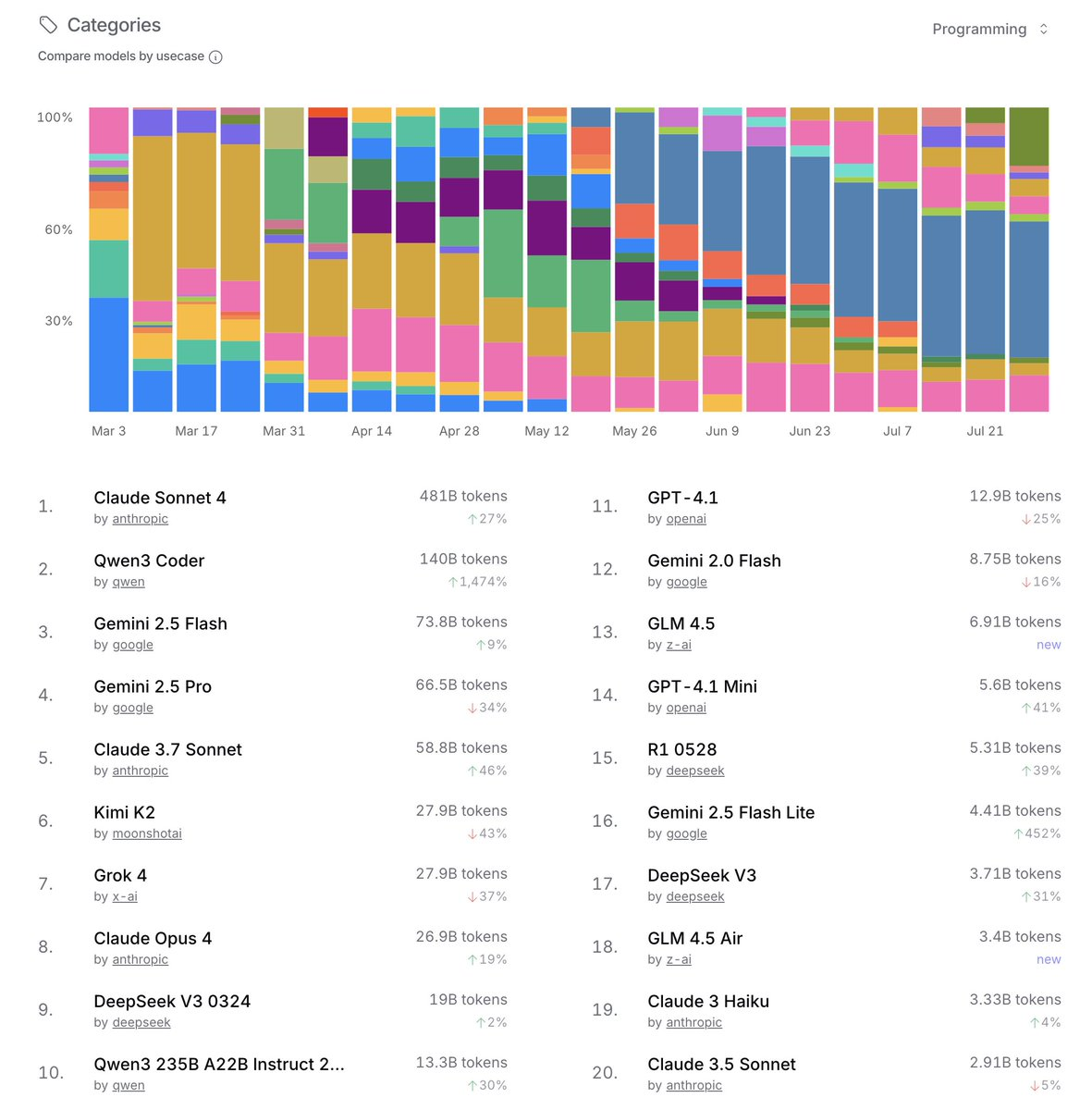
GLM 4.5 - Currently #1 on Hugging Face
.png)
.png)
Official Announcement: https://z.ai/blog/glm-4.5
X (Twitter): https://x.com/Zai_org
Key Features:
- Strong Agent Coding Capability
- Super Affordable Pricing & Extremely Fast Speed
- Transparency: All test questions and Agent trajectories are public and available on HuggingFace for verification and reproduction (Test Dataset)
Such transparency is rare among model manufacturers and demonstrates great confidence.
Overall Assessment: Should be the most cost-effective model to pair with Claude in the future. GLM-4.5 + CC is likely to become mainstream.
Try it now: https://chat.z.ai/
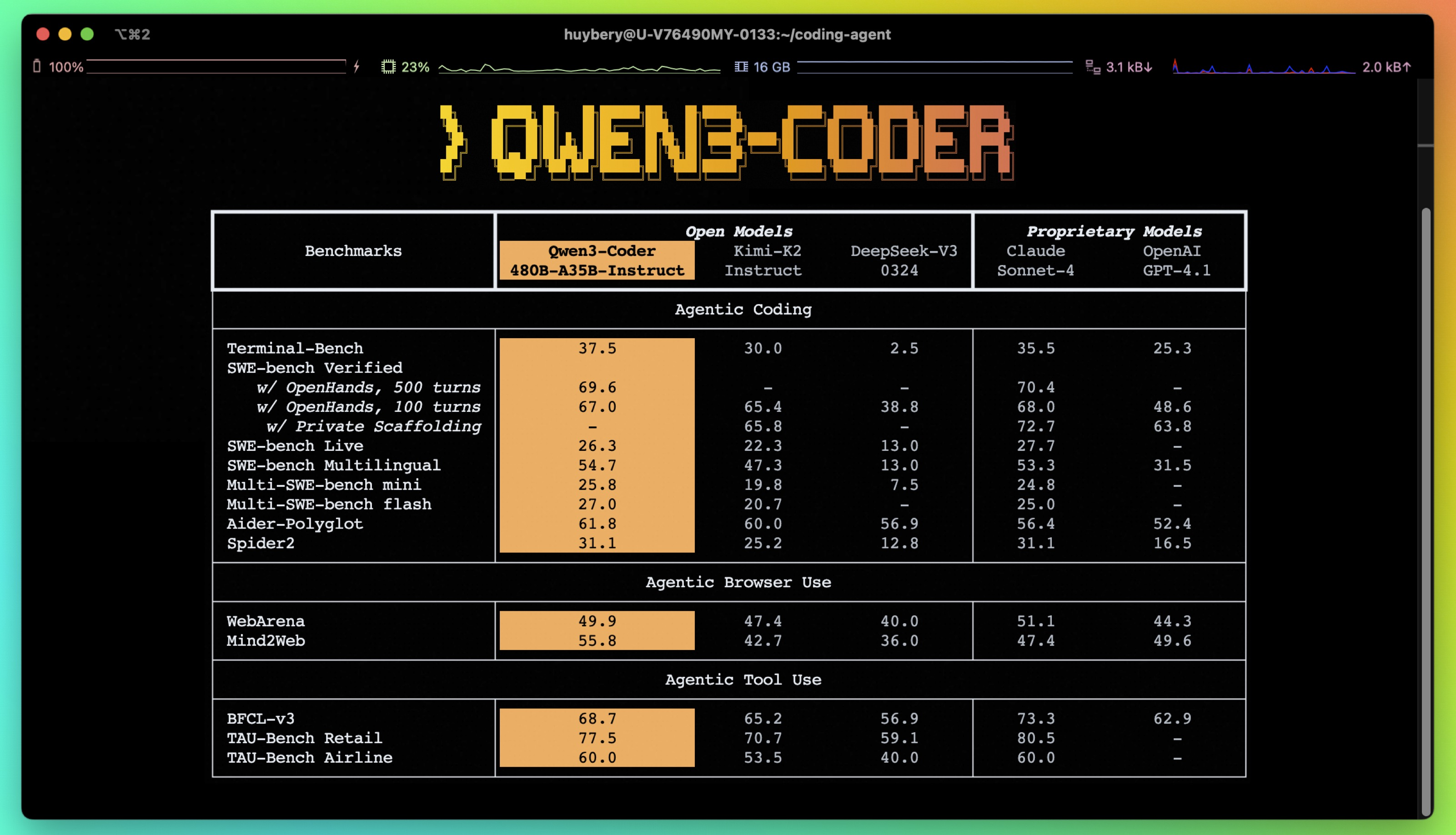
Qwen3-Coder: Most Agent-Capable Code Model
GitHub: https://github.com/QwenLM/Qwen3-Coder
Hugging Face: Qwen3-Coder-480B-A35B-Instruct
Alibaba officially releases Qwen3-Coder, its most agent-capable code model to date.
Specifications:
- Available in multiple sizes
- Most powerful version: Qwen3-Coder-480B-A35B-Instruct
- MoE (Mixture of Experts) model with 480B parameters and 35B activated parameters
- Native support for 256K token context window (extendable to 1M tokens via YaRN)
- Exceptional coding and Agent capabilities
Achievements:
- SOTA (State-of-the-Art) among open-source models in:
- Agentic Coding
- Agentic Browser-Use
- Agentic Tool-Use
- Comparable to Claude Sonnet 4
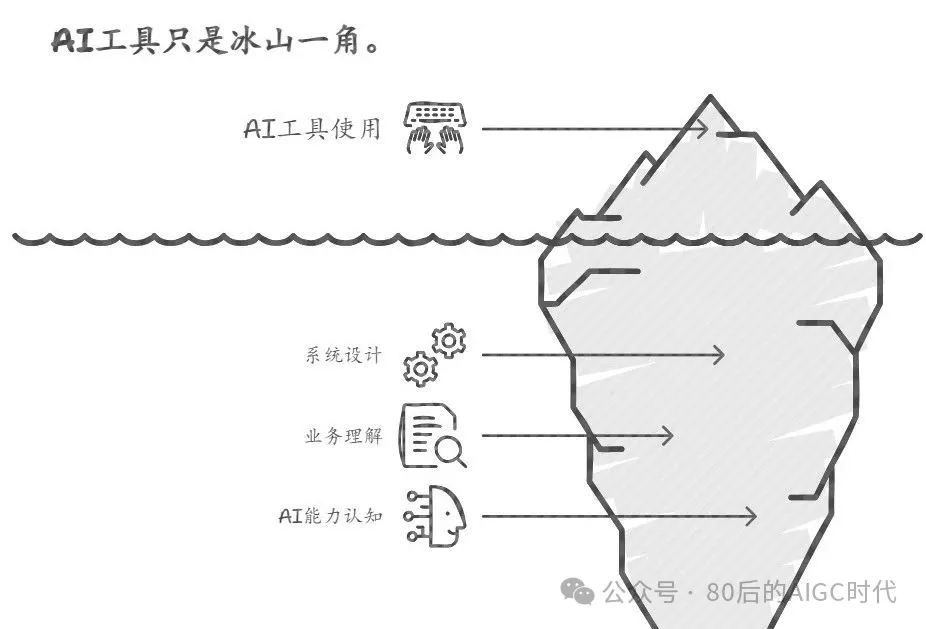
6. Below the Iceberg
"Below the Iceberg" is a metaphorical concept describing components or factors hidden beneath visible AI applications or surface functionalities that are not easily perceived by the public but are crucial.
The Coachman and the Car Driver Analogy
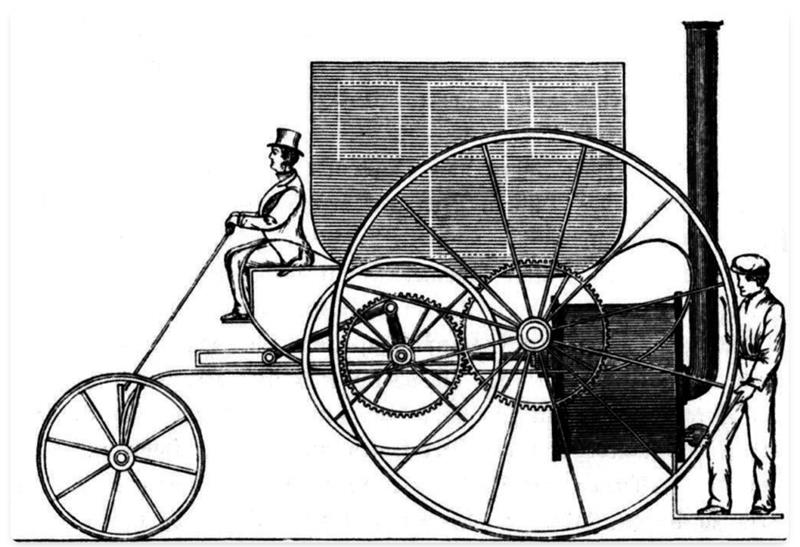
The Horseless Carriage Problem:
Whenever a new technology is invented, the first batch of tools built on that technology
inevitably fail because they often replicate old ways of working, like "Horseless Carriages."

"Horseless Carriage" refers to early automobile designs that heavily borrowed from previous
horse-drawn carriages. Here's a design drawing of an 1803 steam carriage I found on Wikipedia.

The flaws in this design were unnoticed at the time but are obvious in hindsight.

Imagine living in 1806, riding in such a vehicle for the first time. Even if the wooden
frame was sturdy enough to get you to your destination, the wooden seats and lack of
suspension would make the journey unbearable.

You might think: "I would never choose an engine over a horse." And before the automobile
was invented, you'd be right.

I suspect we're experiencing a similar era with AI applications. Many of them, like Gmail's
Gemini integration, are useless.

The original horseless carriages were born of "old world thinking"—replacing horses with
engines without redesigning the vehicle for higher speeds. What old world thinking is
limiting these AI applications?AI Excels at Tasks with Standard Answers
Jason Wei's Insight (Former OpenAI Lead Scientist for o3, now at Meta):
A key pattern in AI progress is emerging ✨
We should shift our attention from "can it solve the problem" to "can we quickly verify
the answer." This is called: Asymmetry of Verification.
Simply put, some tasks are hard to solve, but once you have a solution, it's easy to
verify if it's correct.
---
A few examples make this clear:
✅ Sudoku: Solving requires skill, verifying takes seconds
✅ Writing Instagram website code: Implementation is hard, but running it once tells you
if it's correct
✅ BrowseComp: Finding the answer requires searching 100 web pages, but seeing the answer
immediately tells you if it's correct
These all demonstrate that "verification is far simpler than solving" in most cases.
---
The key insight:
AI is best at tasks where "verification is easy."
Jason Wei summarizes this phenomenon as a law:
The Verifier's Law:
"How efficiently AI can solve a problem depends on the verifiability of that problem."
---
How to judge if a task is easily verifiable? He lists five dimensions:
1️⃣ Objective Truth: Right/wrong is commonly agreed upon, not subjective
2️⃣ Fast Verification: Can judge answer correctness in seconds
3️⃣ Scalable Verification: Can verify tens of thousands of answers in parallel
4️⃣ Low Noise: Verification results highly correspond to answer quality
5️⃣ Continuous Rewards: Answers can be finely ranked and scored
---
You'll find:
✅ Almost all widely studied and "conquered" AI benchmarks (like ImageNet, GLUE, MMLU)
meet the above conditions 1-4.
Conversely, tasks with difficult verification not only progress slowly but lack suitable
benchmarks (Working on it!!! such as LLM's money-making ability, etc.)
---
More importantly:
Inspired by this, to improve LLM capabilities, we can artificially enhance verification
asymmetry 👇
✅ Prepare answer keys for math problems
✅ Prepare test cases for coding problems
✅ Set reward functions for strategy games
This not only facilitates human supervision but also gives AI clearer training signals.
---
Google DeepMind's AlphaEvolve project is an extreme example of practicing the Verifier's Law:
🔁 Training set ≠ Test set
✅ Each problem is constructed in a highly verifiable environment
📈 Drives new breakthroughs in mathematics, algorithms, and science
This is a new paradigm: constructing worlds with clear training signals and letting AI
optimize itself.
---
The underlying philosophy:
🧠 What AI can learn doesn't depend on humans cleverly designing algorithms, but on
whether the problem's feedback mechanism is friendly.
This is very similar to how humans learn and complete tasks.
As Elon Musk says, most failures in life begin with loss of precision. If your task
description and rewards are more precise, you're more likely to complete the task.
---
From this perspective, future intelligence is "jagged intelligence":
🤖 AI will be superhuman in some areas (because they can be verified)
🧍♂️ Humans will retain advantages in other areas (because correctness can't be defined)
AI development isn't comprehensive transcendence, but sprinting along the verification track.
---
Want to build stronger AI?
Don't focus on "what problems to solve"
Think about: How to define **verification mechanisms** to help AI converge quickly
The Verifier's Law is the first principle of future AI application design.Predictions for Future Software Development
Reference Article: https://www.woshipm.com/ai/6245593.html
Key Trends:
1. Hierarchical Software Development Future software systems will increasingly adopt layered architectures, with each layer having specialized AI models and tools to handle specific types of tasks:
- Bottom layer: AI engines specifically handling data and computation
- Middle layer: Reasoning models handling business logic
- Top layer: Conversational AI handling user interaction
This layering is not just technical architecture layering, but layering of responsibilities and capabilities.
2. Redesign of Software Development Processes Traditional "requirements analysis-design-coding-testing-deployment" waterfall processes, and "rapid iteration-continuous integration-continuous deployment" agile processes, will be supplemented or replaced by new AI-enhanced processes.
In new processes, AI will participate in every link: requirements understanding, architecture design, code generation, automated testing, intelligent deployment. But the human role won't disappear; it will shift to higher-level decision-making and creative work.
3. Evolution of Software Quality Assurance Methods When AI begins participating heavily in code generation, traditional code review and testing methods may no longer suffice. We need new methods to ensure the quality, security, and maintainability of AI-generated code. This may include AI reviewing AI, new automated testing tools, and quality assurance based on formal verification.
4. Reconstruction of Developer Tool Ecosystem Future IDEs will no longer be just text editors with some development tools, but intelligent development environments integrating multiple AI capabilities. They'll understand developer intent, provide intelligent suggestions, automatically handle repetitive tasks, and even proactively discover and resolve potential issues. The intelligence level of such tools will far exceed our current imagination.
5. Changes in Software Delivery Models When software development becomes easier and faster, user expectations for software will correspondingly increase. They'll expect faster response times, more personalized experiences, and more intelligent features. This will drive software from standardized products to customized services, from one-time delivery to continuous evolution.
7. Eden Ye's AI Fundamentals

Note: Eden Ye's presentation covered fundamental AI concepts including machine learning basics, neural networks, and practical applications.
📊 Demo Showcase
1. Demo-Level MCP Server
Demonstration of a Model Context Protocol (MCP) server implementation showcasing practical AI integration patterns.
2. AI Doc Engine
Three practical demonstrations of AI document processing capabilities:
📄 AI Statistics: Staff Profile
- Automated data extraction and analysis from staff documents
📄 AI Searching: Export Shipments by Cutoff Date
- Intelligent search and filtering of shipment data
📄 AI Summarization and Analysis: Shipment
- Comprehensive document summarization and insights generation
🔗 Featured Resources
Industry Reports
- Agentic AI Executive Playbook - Comprehensive guide to agentic AI implementation
- AI Adoption Survey H1 2025 - Latest enterprise adoption trends
- Americas AI Action Plan - Regional AI strategy and initiatives
Articles & Insights
- Hinton's WAIC Speech Analysis - Insights from the "AI Godfather"
- Eric Schmidt Interview Translation - Future of AI and civilization
- Agentic AI 8-Layer Architecture - Visual architecture guide
- Future of Software Development - Development paradigm predictions
Tools & Open Source
- Context Engineering - Context optimization framework
- Qwen3-Coder - State-of-the-art coding model
- Seed-X Translation Models - Specialized translation models
Videos & Media
- Eric Schmidt Interview - Full interview on AI's future
- Session Recording - Complete session recording
🎬 Other Highlights
First Digital Human Singer

Hollywood Director's Workflow Tools:
Planning Work:
- Storyboard Management: Figma
- Production Overview: Google Sheet
- Historical Research Board: Figma
Creative Work:
- Prompt Generation: Gemini/ChatGPT
- Image Generation: Google Imagen 3/Midjourney
- Image Refinement: FLUX kontext/PS/Canva magic AI
- Video Generation: Kling 2.1/Veo 3
Post-Production:
- Material Resolution Upgrade: Topaz
- Dubbing: Real voice actors + Lipsync (Runway Act One/Heygen)
- BGM: Real composers + real-time editing adjustments
- Editing: Adobe Premiere
📢 Upcoming & Preview
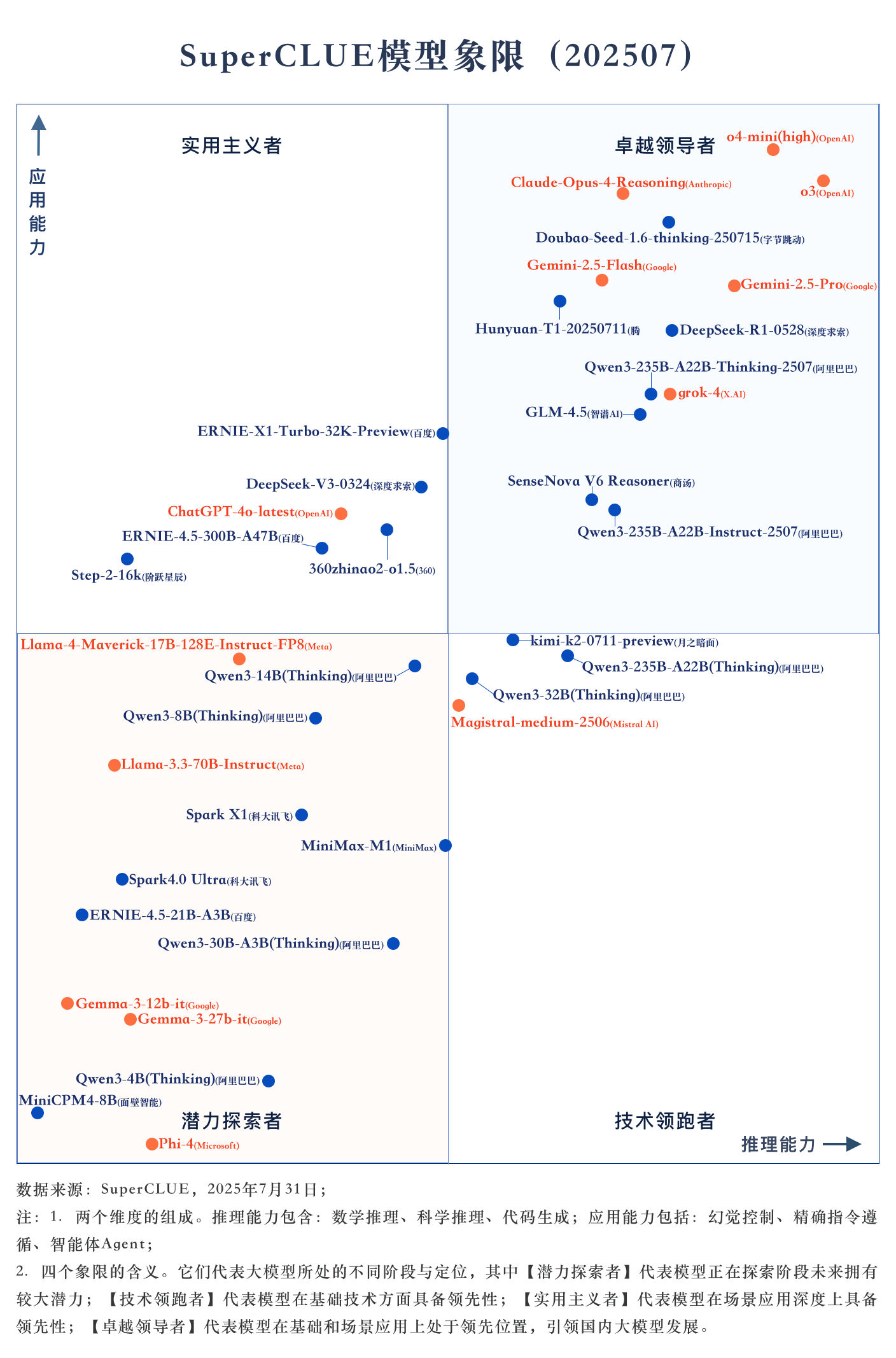
SuperCLUE AI Model Evaluation Series - Part 1
48 large models participated in the July general evaluation, with 7 domestic models entering the "Leader Quadrant."
Website: https://superclueai.com/
Wisdom Advisory Demo Day
- Regular AI Demo Days coming soon (Global level, also at Nanjing Office)
- Showcase AI ideas from various teams
- Establish both AI Round Table & Demo Day formats—the two most popular AI atmosphere-building activities in Silicon Valley
OpenAI Study Mode
New learning paradigm from OpenAI enabling personalized, adaptive learning experiences.
Reference: https://openai.com/zh-Hans-CN/index/chatgpt-study-mode/
AdventureX Review - Part 1
"Old school at WAIC, new school at AdventureX"
Article: AdventureX Summer Reflections
DeepSeek V3/R1 Deep Dive
Coming in future sessions
🔑 Key Insights
Verification Over Solution: AI excels when verification is easier than solving—design your AI systems around this principle
Layered Intelligence: Future AI systems will be hierarchical, with specialized models at each layer handling specific responsibilities
Speed of Learning Loops: In the AI era, the speed of your learning and iteration loops will determine competitive advantage
Energy, Not Chips: The real bottleneck for AI advancement is energy infrastructure, not semiconductor capacity
Middleware Crisis: Traditional enterprise software middleware faces existential threats as AI enables direct database connections
Old World Thinking: Many current AI applications are like "horseless carriages"—they haven't reimagined the fundamentals for the new paradigm
🎯 What's Next?
Looking forward to future sessions! Stay tuned for:
- Part 2 of WAIC 2025 highlights
- Part 2 of Eric Schmidt interview series
- SuperCLUE evaluation deep dive
- DeepSeek V3/R1 technical breakdown
- Wisdom Advisory Demo Day showcases
First Session!
This inaugural session set the foundation for our Crossroad AI journey. All materials are available above—explore and dive deeper into any topic that interests you!
Questions?
Have questions about the content? Reach out to the Crossroad AI team or join our next session!
Session 00 | August 1, 2025 | AI Landscape & Fundamentals | Damien Li, Eden Ye